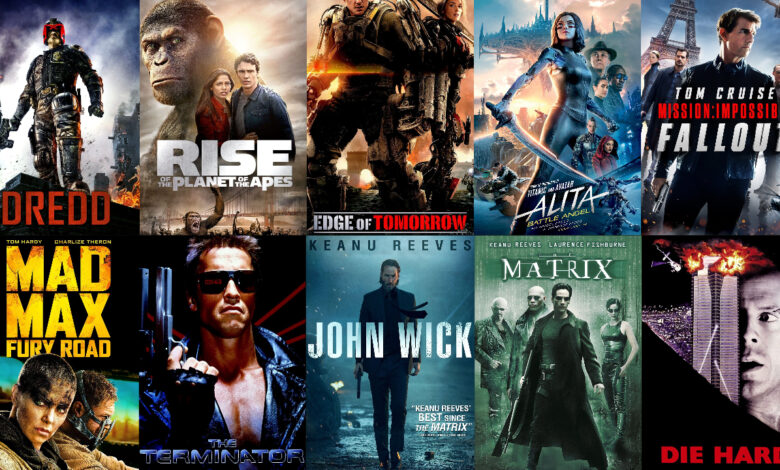
The word Hollywood movie instantly brings to mind bright lights, red carpets, and star power. For over a century, Hollywood has been the beating heart of cinema. From silent films to modern digital blockbusters, Hollywood’s journey reflects both art and innovation.
1. The Birth of the Hollywood Movie
The Hollywood movie industry began in the early 1900s in Los Angeles, California. The sunny weather, diverse locations, and creative freedom attracted filmmakers from all over the United States. Soon, studios like Universal, Paramount, Warner Bros., and MGM set up shop there.
The first Hollywood movie was produced when filmmakers realized California offered ideal shooting conditions. By 1910, short films were already being filmed there. In 1915, D.W. Griffith’s “The Birth of a Nation” marked a major turning point in Hollywood’s storytelling and production style.
Key reasons Hollywood rose fast:
- Perfect weather for outdoor filming
- Large, open land for building sets
- Cheap labor and easy access to talent
- Distance from strict East Coast film regulations
By the 1920s, Hollywood had become the world’s filmmaking capital.
2. Golden Age of the Hollywood Movie
From the 1930s to the 1950s, the world saw Hollywood’s Golden Age. This was the time when big studios controlled every part of filmmaking. They owned movie theaters, actors, directors, and the production process. Stars like Marilyn Monroe, Humphrey Bogart, and Audrey Hepburn became global icons.
Technicolor films, musical scores, and large set designs were trademarks of this era. Every Hollywood movie aimed to impress and entertain.
Defining features of the Golden Age include:
- Studio system power: Studios signed actors on long contracts.
- Iconic genres: Westerns, musicals, and romantic dramas flourished.
- Star culture: Actors became household names worldwide.
- High glamor factor: Fashion, lights, and elegance ruled the screen.
Audiences flooded cinemas to escape the daily struggle of the Great Depression and enjoy larger-than-life stories.
3. Revolutionizing Technology in Hollywood Movies
Technology has always shaped how a Hollywood movie looks, sounds, and feels. From black-and-white films with no dialogue to fully digital productions, progress has defined the art form.
Major technological milestones:
- 1927: The first “talkie,” The Jazz Singer, introduced sound to movies.
- 1935: Technicolor gave films vivid, rich colors.
- 1950s: Widescreen formats and surround sound elevated the viewing experience.
- 1980s–1990s: CGI (Computer-Generated Imagery) transformed visual storytelling.
- 2000s onward: Motion-capture, 3D, and digital filming became mainstream.
Today, technology allows filmmakers to create worlds beyond imagination. Movies like Avatar, Inception, and Avengers: Endgame show what’s possible when storytelling meets innovation.
4. The Power of Storytelling in Every Hollywood Movie
At its heart, every Hollywood movie tells a story. Technology is just the tool. What keeps audiences coming back are emotions — love, loss, victory, courage, and hope.
Hollywood’s storytelling formula is often simple: a hero, a challenge, and a resolution. But the themes vary across genres.
Popular storytelling themes:
- Good vs Evil (Star Wars, Batman)
- Love and Loss (Titanic, La La Land)
- Hope and Survival (The Martian, Cast Away)
- Dreams and Success (Rocky, The Pursuit of Happyness)
One reason Hollywood movies are so popular is their universal appeal. They speak to people across cultures, using stories everyone can connect with.
5. How Hollywood Movies Shape Global Culture
The influence of a Hollywood movie goes far beyond entertainment. It affects how people think, dress, and communicate.
Hollywood’s cultural influence includes:
- Language: English slang and phrases from movies enter daily speech.
- Fashion: Costumes worn by stars become global trends.
- Behavior: Audiences imitate characters they admire.
- Tourism: Tourists visit locations featured in famous films.
For instance, Hollywood movies like Jurassic Park boosted interest in dinosaurs and science, while Top Gun increased U.S. Navy recruiting. Even foods, dances, and hairstyles seen on screen often go viral globally.
6. Evolution of the Hollywood Movie Industry
The modern Hollywood movie industry looks very different from what it was decades ago. The old studio system has faded. Now, actors, directors, and producers enjoy more creative freedom.
Trends shaping modern Hollywood:
- Independent films: Small-budget films are now competing with big studios.
- Streaming platforms: Services like Netflix, Disney+, and Prime Video offer new ways to reach audiences.
- Diversity: Hollywood is now more inclusive, casting actors of various backgrounds.
- Franchises: Stories continue across multiple films — think Marvel, Harry Potter, and Fast & Furious.
With online streaming, audiences can now watch a Hollywood movie from anywhere, anytime.
7. Blockbuster Era: The Rise of the Mega-Movie
In the 1970s, a new term emerged — blockbuster. It described a movie that broke box office records and drew massive crowds.
Movies like Jaws (1975) and Star Wars (1977) began this era. They had thrilling stories, catchy music, and wide appeal. Since then, the blockbuster model has dominated.
What makes a blockbuster Hollywood movie?
- Big budgets and cutting-edge special effects
- Star-studded cast
- Massive marketing campaigns
- Worldwide releases
Blockbusters are not just movies; they are events. Fans often wait months, or even years, for their release.
8. Behind the Scenes: The Making of a Hollywood Movie
Behind every Hollywood movie is a team of hundreds, sometimes thousands, of professionals. Each plays a key role in bringing the story to life.
Main stages of movie production:
a. Pre-Production
This phase includes writing the script, casting actors, setting the budget, and scouting filming locations. Planning can take months or even years.
b. Production
Filming takes place on set or locations. Directors guide actors, cinematographers handle lighting and camera angles, and crews ensure smooth operations.
c. Post-Production
Editing, sound design, music, and visual effects are added here. Color grading and CGI give the movie polish and style.
d. Distribution
Finally, studios promote and release the film in theaters or online platforms. Advertising campaigns, interviews, and premieres build excitement before release.
A Hollywood movie is the result of intense teamwork, creativity, and technical expertise.
9. The Role of Actors and Directors
No Hollywood movie is complete without strong performances and visionary direction. Actors bring characters to life. Directors guide every shot, ensuring the story feels authentic.
Legendary Hollywood Directors:
- Steven Spielberg
- Martin Scorsese
- Christopher Nolan
- Quentin Tarantino
- James Cameron
Iconic Actors:
- Meryl Streep
- Tom Hanks
- Denzel Washington
- Leonardo DiCaprio
- Scarlett Johansson
These names prove that talent and dedication define the magic of cinema.
10. Challenges Facing the Modern Hollywood Movie Industry
Even though Hollywood dominates globally, it faces challenges. Audience habits are changing, and competition is fierce.
Common challenges include:
- Streaming wars: With so many platforms, audiences have more choices.
- Box office drop: Some people prefer watching from home.
- High production costs: Big budgets mean big financial risks.
- Cultural sensitivity: Movies must now appeal to diverse global audiences.
Still, Hollywood adapts quickly. New storytelling styles, global collaborations, and interactive technologies keep the industry strong.
11. The Future of the Hollywood Movie
Looking ahead, the Hollywood movie will evolve even more. Artificial Intelligence, Virtual Reality, and Augmented Reality are entering film production. These technologies can create lifelike 3D environments and interactive plots.
Upcoming Hollywood movie trends:
- AI-assisted editing and scripting for faster production
- Interactive movies where viewers choose story outcomes
- Virtual sets that reduce travel and cost
- Environmental filmmaking to promote sustainability
Hollywood continues to reinvent itself to meet the audience’s changing expectations.
12. Global Audience and Market Reach
Hollywood movies don’t just entertain Americans; they captivate global audiences. In countries like China, India, and Brazil, Hollywood movies earn billions each year. Dubbed and subtitled versions make them accessible to nearly every continent.
Top export markets:
- China
- Japan
- United Kingdom
- South Korea
- India
Global fans share trailers, memes, and reviews online, amplifying the reach of every major release. For many, watching a Hollywood movie is also a gateway to understanding Western culture and language.
13. Hollywood vs. Other Film Industries
While Hollywood leads globally, other countries also produce outstanding cinema. India’s Bollywood, South Korea’s film wave, and Europe’s art-house cinema show that quality filmmaking is universal.
Key differences:
- Hollywood: Focus on global storytelling and visual spectacle.
- Bollywood: Musical dramas with rich emotion and family stories.
- Korean Cinema: Innovative plots and psychological depth.
- French Cinema: Artistic approach with strong character focus.
Hollywood often collaborates with international studios, blending cultures and expanding its reach.
14. Iconic Hollywood Movie Franchises
Franchises are a crucial part of Hollywood’s modern success. They build lasting fan communities and huge profits.
Biggest Hollywood movie franchises:
- Marvel Cinematic Universe
- Star Wars
- Harry Potter
- Jurassic Park
- Fast & Furious
- Mission: Impossible
Each franchise has sequels, prequels, spin-offs, and merchandise that form entire entertainment ecosystems.
15. The Educational and Inspirational Side of Hollywood Movies
A Hollywood movie can teach as much as it entertains. Many films depict real-life events, inspiring audiences to dream and take action.
Examples of inspirational Hollywood films:
- The Social Network — shows ambition and innovation.
- Hidden Figures — celebrates women in science.
- The Pursuit of Happyness — motivates viewers to overcome hardship.
- Saving Private Ryan — honors courage and sacrifice.
These movies remind us that stories can shape thoughts and inspire generations.
16. Sustainable & Inclusive Future of Hollywood
Modern audiences demand change. They want eco-friendly production and diverse representation. In response, producers now focus on green filming and inclusivity.
Steps Hollywood is taking:
- Reusing sets and costumes
- Reducing on-set plastic waste
- Casting actors from varied backgrounds
- Supporting women directors and writers
A sustainable Hollywood movie industry not only entertains but also reflects the values of its audience.
17. Why the Hollywood Movie Still Reigns Supreme
Despite competition from global industries, nothing matches Hollywood’s blend of glamour, storytelling, and scale. The words “Hollywood movie” symbolize excellence in filmmaking.
Reasons for continued dominance:
- Global marketing power
- High production value
- Strong storytelling traditions
- Access to top talent and technology
- Connection with audiences worldwide
From small-town theaters to digital screens across continents, Hollywood continues to define what the world watches next.
Conclusion: The Timeless Power of the Hollywood Movie
A Hollywood movie is more than entertainment — it’s a global phenomenon. It unites people through emotions, visuals, and dreams. Whether it’s a heroic adventure, a romantic journey, or a deep human drama, Hollywood films have something for everyone.
From silent reels to spectacular digital universes, the Hollywood movie remains a symbol of creativity and imagination. As technology and tastes change, one thing stays the same — the world’s endless love for the magic of Hollywood.