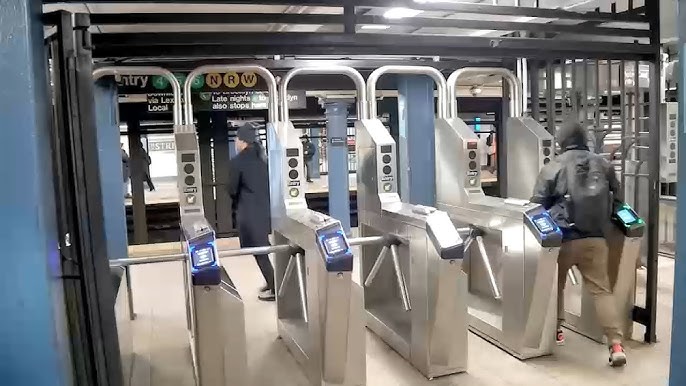
The MTA fare hike has once again become a major talking point in New York City. Every few years, the Metropolitan Transportation Authority (MTA) raises fares to keep up with rising costs and service demands. In 2025, commuters are preparing for another change in how much they’ll pay to ride the subway, buses, and commuter rails.
What Is the MTA Fare Hike?
The MTA fare hike refers to the increase in prices for using MTA-operated services, including:
- NYC subways
- Local and express buses
- Long Island Rail Road (LIRR)
- Metro-North Railroad
- Bridges and tunnels managed by the MTA
The MTA typically reviews its fare structure every two years. The agency uses these increases to maintain operations, cover infrastructure costs, and invest in improvements like signal modernization, station repairs, and cleaner facilities.
Why Is the MTA Increasing Fares?
Fares do not rise arbitrarily. Several factors drive the MTA fare hike, including:
- Rising Operational Costs – Energy, maintenance, and labor costs continue to climb.
- Inflation – Post-pandemic inflation has raised the price of nearly everything, including materials and contracts.
- Ridership Levels – While ridership has recovered somewhat since 2020, it hasn’t reached pre-pandemic levels. Lower revenue means the MTA needs to adjust fares to fill the gap.
- Infrastructure Needs – Aging tracks, signals, and stations need regular upgrades to keep the system safe and reliable.
- Debt Repayment – The MTA has borrowed heavily for capital projects. Fare revenue helps cover these debts.
How Much Are Fares Going Up in 2025?
According to early announcements, the MTA fare hike for 2025 will increase subway and bus fares by about 4%, equal to approximately $0.15 to $0.20 per ride.
For example:
- Base Fare: Increasing from $2.90 to about $3.00
- 7-Day Unlimited MetroCard: Rising from $34 to about $35.50
- 30-Day Unlimited MetroCard: Increasing from $132 to about $137
Commuter rail systems—LIRR and Metro-North—will see similar adjustments, depending on the distance and zone.
Toll hikes on bridges and tunnels are also planned, ranging from 3% to 5%, depending on whether the driver uses E-ZPass.
How Riders Are Responding
Many commuters are unhappy about another MTA fare hike. For those who ride daily, even small increases add up quickly.
Common commuter concerns:
- “I’m already spending hundreds a month on transportation.”
- “Why raise fares when trains are still delayed or crowded?”
- “The MTA should fix service before charging more.”
Despite these frustrations, the MTA says the fare hike is essential to avoid larger problems like budget cuts or service reductions. Officials argue that stable funding ensures cleaner stations, more reliable trains, and safer operations.
What Benefits Will the Fare Hike Support?
Although fare hikes are never popular, the MTA plans to use the additional funds for critical improvements. The 2025 fare hike is expected to support:
- Signal upgrades for faster and more efficient train service.
- Station renovations across the five boroughs, including accessibility upgrades for ADA compliance.
- Cleaner stations and trains with more maintenance staff.
- New fare technology, moving away from the MetroCard to OMNY contactless payments.
- Climate resilience projects, protecting tunnels and equipment from flooding and extreme weather.
The MTA says these investments will deliver long-term benefits for riders—less downtime, more train frequency, and improved comfort.
How the Fare Hike Affects Different Riders
1. Daily Commuters
People who rely on the subway or bus every day will feel the changes most. A 30-day unlimited pass could cost around $5 more, which equals about $60 more per year.
2. Occasional Riders
Those who take public transit only a few times a week may switch to pay-per-ride options or look for discounted OMNY caps.
3. Seniors and Students
Discount programs will still apply, but any fare increase affects discounted rates too. The MTA assures that senior and disabled fare programs will continue under the same eligibility rules.
4. Drivers
Toll increases on bridges and tunnels will raise commuting costs for motorists. Those using E-ZPass will still pay less than those paying by mail.
MTA’s Long-Term Financial Strategy
The MTA has faced steep financial challenges since the pandemic. Even with federal aid and city-state funding packages, ridership losses and loan repayments have left the agency struggling.
Key parts of the MTA’s long-term plan include:
- Raising fares gradually instead of all at once.
- Expanding advertising and retail opportunities in stations.
- Introducing congestion pricing in Manhattan’s Central Business District to raise additional revenue.
- Promoting OMNY to reduce fare evasion.
- Partnering with the private sector for technology and sustainability projects.
Officials claim these steps will eventually stabilize income, improving both service quality and customer satisfaction.
The Role of Congestion Pricing
The MTA’s upcoming congestion pricing plan, scheduled for full rollout in 2026, will charge drivers entering Manhattan below 60th Street a daily toll. This initiative is directly tied to the MTA fare hike strategy — it aims to generate billions for the authority while reducing traffic and pollution.
Funds from congestion pricing will help:
- Modernize subway infrastructure.
- Upgrade signaling systems.
- Improve accessibility with elevators and ramps.
- Support cleaner public transit options.
In other words, the MTA fare hike and congestion pricing go hand-in-hand as part of a broader funding plan.
Tips for Riders to Save Despite the Fare Hike
If you’re worried about spending more, here are practical ways to save money during the 2025 MTA fare hike:
- Use OMNY fare caps – After 12 rides in seven days, the system automatically caps your fare, giving you unlimited rides for the rest of the week.
- Buy unlimited passes – If you ride twice or more each day, the 30-day or 7-day passes may still save you money.
- Take advantage of employer commuter benefits – Many workplaces offer pre-tax deductions for transit costs.
- Check for discounts – The MTA offers reduced fares for seniors, students, and disabled riders.
- Plan trips efficiently – Use apps to check train schedules and reduce multiple transfers.
What Happens If the MTA Doesn’t Raise Fares?
Without the fare hike, the MTA could face deep service cuts, job reductions, or delayed projects. The agency’s operating costs rise every year due to inflation, maintenance, and wages.
Experts warn that failing to raise fares might lead to:
- Reduced train frequency
- Longer waits during rush hour
- Postponed infrastructure upgrades
- Further budget gaps
While no commuter enjoys paying more, a small increase now may prevent larger disruptions later.
The MTA’s Communication Challenge
One ongoing problem is how the MTA communicates these fare hikes to the public. Many riders feel blindsided by sudden announcements or unclear messaging.
To address this, the MTA has started:
- Hosting public hearings online and in-person before any increase.
- Sharing clear fare charts on its website.
- Improving customer alerts through OMNY and text updates.
By explaining where the money goes and how riders benefit, the MTA hopes to rebuild trust and transparency with New Yorkers.
Looking Beyond 2025
Experts predict that regular MTA fare hikes will continue every two years, with modest increases instead of dramatic jumps. The goal is to make changes more predictable for commuters and easier for the system to manage.
Future upgrades include:
- Expanding the Second Avenue Subway line.
- Adding new train cars with digital screens and better seating.
- Installing more elevators at busy stations.
- Transitioning fully to OMNY, retiring MetroCards by 2026.
These improvements depend heavily on stable revenue — including funds from the 2025 MTA fare hike.
Public Opinion and Political Debate
The fare hike has sparked debate among commuters, advocacy groups, and New York politicians. Some support the plan, arguing it’s necessary to keep the MTA financially stable. Others criticize it, saying working-class riders shouldn’t bear the cost.
City and state lawmakers continue to discuss alternatives, such as increasing corporate taxes or state subsidies. However, until new funding models are agreed upon, fare hikes remain the most immediate tool for maintaining transit services.
Final Thoughts: Preparing for the MTA Fare Hike
The MTA fare hike for 2025 may be frustrating, but it serves an important purpose. It helps sustain the largest public transit system in the United States — one that moves millions daily and keeps New York’s economy flowing.
While prices will rise slightly, smart riders can offset costs with OMNY caps, unlimited passes, and commuter benefits. Staying informed also helps you understand where your fare dollars go and how they improve service quality.
In the long run, the goal is a modern, cleaner, and more reliable MTA that works better for everyone.
Key Takeaways
- The 2025 MTA fare hike raises subway and bus fares about 4%.
- The changes fund infrastructure, safety, and technology upgrades.
- Riders can save using OMNY caps and discount programs.
- The hike supports the MTA’s long-term financial and modernization goals.
- Transparent communication and steady investment are vital for public trust.
Conclusion:
Though fare hikes are never pleasant, they’re part of ensuring that New York’s transit system stays strong for years to come. The MTA fare hike of 2025 may pinch wallets today, but if managed wisely, it will help build a more efficient and resilient transportation network tomorrow.