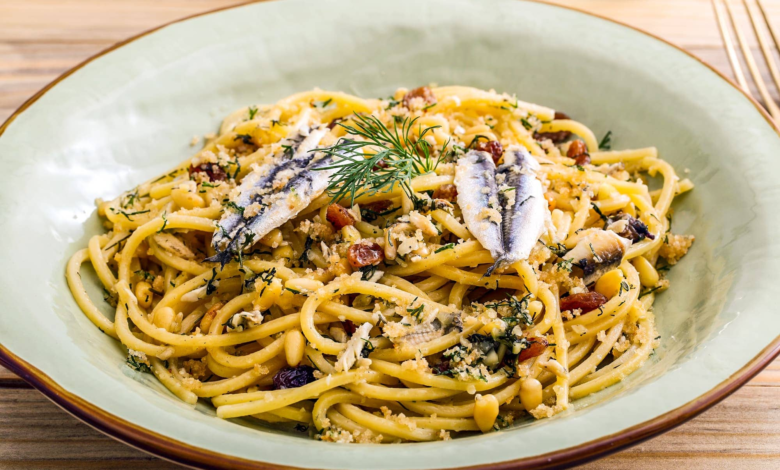
Bucatini pasta is one of Italy’s best-kept culinary secrets. Though it looks like spaghetti at first glance, bucatini has something extra that makes it stand out. It’s long, thick, and has a tiny hole running through the center. This hole is what makes bucatini pasta so unique. It holds sauce inside, not just on the surface, giving every bite a burst of flavor.
In this article, we’ll explore everything about bucatini pasta — its history, taste, recipes, cooking tips, and why it’s becoming a top choice among pasta lovers worldwide. Whether you are a home cook or a food enthusiast, you’ll soon see why this Italian treasure deserves a spot in your kitchen.
What Is Bucatini Pasta?
Bucatini pasta is a type of long Italian noodle made from durum wheat flour and water. Its name comes from the Italian word buco, meaning “hole.” That’s a perfect description because bucatini has a narrow hole that runs through the middle of each strand.
If spaghetti is your go-to pasta, you’ll love bucatini. It has a slightly thicker body and a hollow center, which allows sauces, oils, and seasonings to cling better.
How Bucatini Differs from Spaghetti
At first glance, bucatini and spaghetti may seem similar, but their texture and purpose differ.
Here’s a quick comparison:
- Shape: Bucatini has a hole in the center, spaghetti does not.
- Texture: Bucatini is thicker and chewier.
- Sauce absorption: Bucatini soaks up more sauce for extra flavor.
- Cooking time: Bucatini takes a few more minutes to cook than spaghetti.
- Best served with: Rich and creamy or tomato-based sauces.
So if you love bold, saucy pasta dishes that burst with flavor, bucatini pasta is your perfect match.
A Brief History of Bucatini Pasta
Bucatini comes from Central Italy — especially from Rome and Lazio. For centuries, it has been a staple in Roman kitchens. Traditional recipes like Bucatini all’Amatriciana showcase how versatile and satisfying this pasta can be.
Italian families have passed down bucatini recipes for generations. In ancient times, pasta makers rolled dough by hand and used thin rods to create the hole in the center. Today, modern machines extrude bucatini through bronze dies, preserving its classic rough texture that grips sauce beautifully.
Even now, chefs across Italy and beyond consider bucatini pasta a symbol of traditional Italian comfort food.
Why Bucatini Pasta Is So Special
Bucatini pasta holds a magical quality that sets it apart from other noodles. It’s a perfect mix of texture, flavor, and versatility. When you bite into bucatini, you get a chewy, satisfying experience filled with sauce in every strand.
1. Perfect for Thick Sauces
The hollow center lets creamy, meaty, or tomato-based sauces flow through, coating each noodle evenly. That means more flavor in every bite.
2. Great Texture
Its thicker structure gives a firm and smooth bite that stands up well to heavy or chunky sauces.
3. Versatile Across Dishes
Use bucatini pasta for classic Italian dishes or modern recipes. It works beautifully in both comfort food and gourmet creations.
How to Cook Bucatini Pasta Perfectly
Cooking bucatini pasta is simple, but getting it right takes attention.
Follow these easy steps to make it perfect every time.
Step 1: Boil Water Generously
Use a large pot with plenty of water. Bucatini needs room to move so it doesn’t stick together.
Step 2: Season the Water
Add salt to bring out the pasta’s natural taste. A good rule: 1 tablespoon of salt per 4 cups of water.
Step 3: Add the Bucatini
Drop the pasta into boiling water. Stir well to separate strands.
Step 4: Cook Al Dente
Most bucatini pasta takes about 8–11 minutes to reach al dente — firm to bite but cooked through.
Step 5: Save Some Pasta Water
Before draining, reserve a cup of starchy pasta water. It helps you adjust the sauce later for a silkier texture.
Step 6: Mix with Sauce
Combine the cooked bucatini with your choice of sauce in a warm pan. Toss well and serve immediately.
Best Sauces for Bucatini Pasta
The beauty of bucatini pasta is how well it absorbs rich sauces. From creamy to tangy, almost any type works. Here are the most popular ones:
1. Amatriciana Sauce
One of the most famous Roman pasta recipes, Bucatini all’Amatriciana mixes guanciale (cured pork cheek), tomatoes, pecorino cheese, and chili flakes. The smoky and spicy sauce pairs perfectly with bucatini.
2. Carbonara
This creamy Roman classic uses egg yolks, pecorino, and pancetta. The sauce coats the hollow noodles, creating a smooth, rich taste.
3. Cacio e Pepe
A simple mix of cheese and black pepper — proof that you don’t need many ingredients for an amazing dish. Bucatini locks in the cheesy sauce beautifully.
4. Seafood Sauce
Bucatini also fits well in coastal recipes with clams, shrimp, or squid in a white wine or tomato base.
5. Creamy Alfredo-Style Sauce
For a rich, comforting treat, toss bucatini in butter, cream, and Parmesan. It’s velvety, smooth, and indulgent.
How to Serve Bucatini Pasta Like an Italian
Presentation matters. Italians take pride in how their pasta looks and feels. Here’s how to serve bucatini pasta the authentic way:
- Toss, don’t top: Mix the pasta and sauce together before plating.
- Use warm plates: Warm dishes keep the pasta hot longer.
- Add fresh toppings: Sprinkle cheese, basil, or a touch of olive oil before serving.
- Portion smartly: Serve moderate portions—Italian meals are about savoring, not stuffing.
To create an Italian restaurant experience at home, serve with a glass of red wine and crusty bread.
Popular Bucatini Pasta Recipes to Try
Below are some easy yet impressive recipes you can whip up at home.
1. Bucatini All’Amatriciana
Ingredients:
- 400g bucatini pasta
- 150g guanciale or pancetta
- 1 can crushed tomatoes
- 50g Pecorino Romano cheese
- 1 small onion, chopped
- Olive oil, salt, pepper, and chili flakes
Instructions:
- Sauté guanciale in olive oil until crispy.
- Add onion and cook until soft.
- Stir in crushed tomatoes and chili flakes. Simmer for 10–15 minutes.
- Cook bucatini pasta until al dente.
- Mix pasta with sauce and toss well.
- Top with Pecorino Romano cheese and serve hot.
2. Bucatini Carbonara
Ingredients:
- 400g bucatini pasta
- 150g pancetta
- 3 egg yolks
- 1 whole egg
- 70g Pecorino Romano cheese
- Fresh black pepper
Instructions:
- Cook pancetta until crisp.
- Beat eggs and cheese in a bowl.
- Cook bucatini until al dente.
- Toss hot pasta with pancetta (off the heat).
- Add egg mixture gradually, stirring quickly.
- Serve immediately with extra cheese and pepper.
3. Creamy Mushroom Bucatini
Ingredients:
- 400g bucatini
- 250g mushrooms, sliced
- 1 cup cream
- 2 garlic cloves
- 1 tablespoon butter
- Parmesan cheese
Instructions:
- Sauté mushrooms and garlic in butter.
- Pour cream and simmer gently.
- Cook bucatini pasta until al dente.
- Toss into the sauce with Parmesan.
- Serve warm and creamy.
Nutritional Value of Bucatini Pasta
Bucatini isn’t just delicious — it’s also nutritious when enjoyed in moderation.
Here’s what you get in one cup (about 100g) of cooked bucatini pasta:
- Calories: ~200–220 kcal
- Carbohydrates: 42g
- Protein: 7g
- Fat: 1g
- Fiber: 2g
- Iron and B vitamins: Essential energy boosters
You can pair bucatini with nutrient-rich sauces — add vegetables, olive oil, or lean protein to make a balanced meal.
Gluten-Free and Whole-Wheat Bucatini Options
If you have dietary restrictions, don’t worry. Many brands offer gluten-free bucatini pasta made from corn, rice, or quinoa flour. For a healthier twist, try whole-wheat bucatini — it has more fiber and nutrients.
Popular options include:
- Gluten-free bucatini from artisanal Italian brands.
- Organic whole-wheat bucatini available at most supermarkets.
- Plant-based bucatini varieties using chickpea or lentil flour.
These alternatives let everyone enjoy the rich taste of bucatini, regardless of diet type.
Common Mistakes to Avoid
Cooking bucatini pasta may seem easy, but these small errors can change its texture or flavor:
- Not enough water: Bucatini expands — crowding it makes it sticky.
- Skip salting: Salt balances and enhances the pasta flavor.
- Overcooking: Soft pasta loses taste and structure.
- Adding oil to water: It prevents sauces from sticking later.
- Rinsing pasta: This washes away the starch that helps bind sauce.
Follow the traditional Italian approach — keep it natural and simple for the best outcome.
Where to Buy Bucatini Pasta
You can find bucatini pasta in most large grocery stores, Italian delis, or online.
Here are a few good places to check:
- Local Italian markets: Often stock authentic imported brands.
- Supermarkets: Look for the pasta aisle near spaghetti or linguine.
- Online stores: Websites like Amazon and specialty Italian food shops deliver worldwide.
- Farmers’ markets: Some artisan pasta makers sell fresh or handmade bucatini.
Look for labels that say “bronze-cut” for rough texture and better sauce grip.
Fun Ways to Use Bucatini Beyond Pasta Bowls
While traditional pasta dishes are classic, there are creative ways to use bucatini pasta that surprise your guests.
Try these unique ideas:
- Bucatini stir-fry: Mix with vegetables and soy sauce for an Italian-Asian twist.
- Pasta frittata: Combine leftover bucatini with eggs, cheese, and herbs, then bake into a tasty casserole.
- Cold pasta salad: Toss cooked bucatini with cherry tomatoes, olives, feta, and olive oil.
- Cheese-stuffed bucatini bites: Fill with cheese, coat with breadcrumbs, and fry lightly for party snacks.
Why You Should Try Bucatini Pasta Today
If you love Italian cuisine, bucatini pasta is a must-try. It’s versatile, rich, and full of character. The hollow center makes every dish more flavorful, while its thickness delivers that comforting chew.
Whether you want a classic Italian dinner, something creative, or a healthier option, bucatini fits all needs.
In summary, here’s why bucatini stands out:
- Holds sauce inside and out
- Has perfect bite and thickness
- Works with multiple recipes
- Easy to cook and serve
- Brings authentic Italian flair to your table
Final Thoughts
Bucatini pasta represents the heart of Italian cooking — simple ingredients turned into something unforgettable. Every strand tells a story of flavor, tradition, and craftsmanship. Whether you serve it with spicy tomato sauce, creamy cheese, or fresh herbs, it elevates even the simplest meal.
So, on your next pasta night, skip the usual spaghetti and go for bucatini pasta. With its rich history, perfect texture, and endless pairing options, it’s more than just pasta — it’s a taste of Italy in every bite.