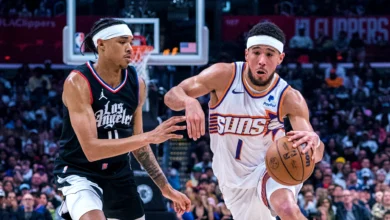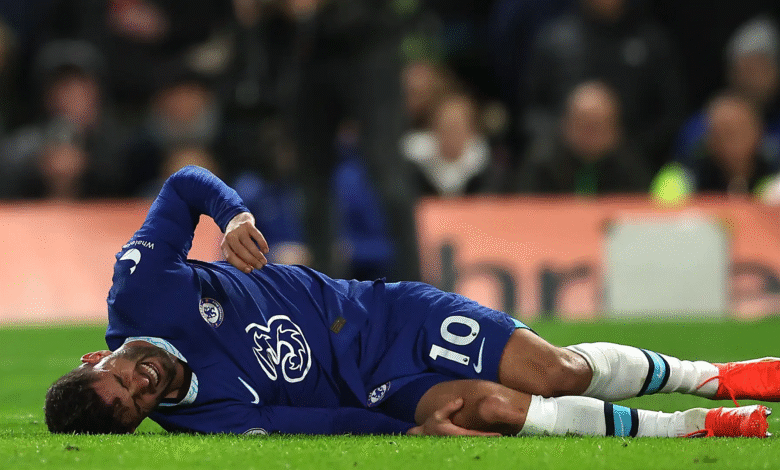
Christian Pulisic runs faster than most players on the pitch. He cuts sharp. He takes hits. He gets up. But sometimes, the body says “no.” When news breaks about a Christian Pulisic injury, fans hold their breath. They check Twitter. They wait for updates from AC Milan or the US Men’s National Team (USMNT).
Pulisic is not just a player; he is the heartbeat of American soccer. His health dictates the success of the national team. His fitness changes the game for AC Milan in Serie A. This article dives deep into his injury history. We look at how he gets hurt, how he heals, and what it means for the future.
Why Christian Pulisic Injuries Matter So Much
You cannot talk about US soccer without mentioning Christian Pulisic. Fans call him “Captain America.” He carries the hopes of a growing soccer nation. When he plays well, the USMNT looks dangerous. When he sits on the bench due to injury, the team loses its spark.
At AC Milan, the story is similar. He moved to Italy to prove himself in one of the world’s toughest leagues. He quickly became a fan favorite. He scores goals. He creates chances. But with high impact comes high risk.
Every Christian Pulisic injury update trends on social media immediately. Why? Because he plays a style that invites physical contact. He relies on acceleration and agility. This puts immense stress on his muscles. Defenders know they cannot catch him, so they foul him. This constant battle takes a toll.
The Nature of His Injuries
Most of Pulisic’s injuries are muscular. They are not usually broken bones or ligament tears. They involve hamstrings, adductors, and hips. These injuries plague players who rely on explosive speed.
When a sprinter pulls a hamstring, it happens fast. One step feels fine. The next step brings a sharp pain. For Pulisic, this is a recurring nightmare. Managing these injuries is an art. It involves rest, rehab, and careful training load management.
Let’s look at the specific types of injuries that have sidelined him over the years.
- Hamstring Strains: These are the most common. They happen when the muscle stretches too far.
- Adductor Issues: These affect the inner thigh. They occur during sudden changes of direction.
- Pelvic Contusions: These are bruises from direct impact, like a collision with a goalkeeper.
- Ankle Sprains: These happen when he gets tackled from the side.
The Famous “Butt Goal” Incident
No discussion of a Christian Pulisic injury is complete without the 2022 World Cup. The USMNT faced Iran in the group stage. The winner would advance to the knockout rounds. The loser would go home.
In the 38th minute, Sergiño Dest crossed the ball into the box. Pulisic threw himself at it. He collided with Iran’s goalkeeper, Alireza Beiranvand. The ball hit Pulisic and went into the net. The US took the lead.
But the celebration stopped quickly. Pulisic lay on the ground in pain. He suffered a pelvic contusion. He could barely breathe. He eventually walked off the field, hunched over.
Why this moment matters:
- It showed his toughness. He played through pain for his country.
- It caused panic before the next game.
- It highlighted the physical risks he takes every time he steps on the field.
He missed the round-of-16 match against the Netherlands. The USMNT lost that game 3-1. Many fans wondered if his presence could have changed the result. This moment cemented his legacy as a warrior, but it also added to the list of concerning injuries.
The Chelsea Struggles
Before Milan, Pulisic played for Chelsea in the English Premier League. His time there had highs, like scoring in the Champions League final. But it also had many lows. Injuries disrupted his rhythm.
The Premier League is incredibly physical. The pace is frantic. Pulisic fought for a starting spot. He often played through minor knocks. This led to bigger injuries.
During his time at Chelsea, fans often asked, “Is he injury-prone?” The data suggested he missed more games than the average player. The Christian Pulisic injury reports became a weekly topic for Chelsea fans. Management had to manage his minutes carefully. They often rested him during “lesser” cup competitions to keep him fit for the league.
A Fresh Start in Italy
In 2023, Pulisic transferred to AC Milan. Italian soccer, or Serie A, is tactical. It is physical but perhaps less frantic than the Premier League. Fans hoped this move would help him stay fit.
So far, the results have been mixed. He has performed brilliantly on the pitch. He has scored crucial goals. However, the muscular issues have not disappeared completely.
Serie A defenses are smart. They foul strategically. They know that stopping Pulisic physically is the best way to stop his game. This leads to kicks and tackles that cause minor injuries.
Recent Injury History and Updates
Keeping up with the latest Christian Pulisic injury news is a full-time job for fans. Let’s look at the pattern of recent issues.
The Adductor Problem
Recently, Pulisic faced issues with his adductor muscles. This is a common problem for soccer players. The adductor muscles stabilize the leg during cutting movements. When Pulisic dribbles past a defender, he plants his foot and cuts. If the muscle is tired, it strains.
This type of injury is tricky. It is not severe enough to end a season, but it is nagging. It keeps a player out for two or three weeks. Just as the player returns, a minor setback can occur.
The Hamstring Scare
Hamstrings are the sprinter’s engine. Pulisic relies on his acceleration. When he felt a twinge in his hamstring during a Serie A match, alarm bells rang. The medical staff at AC Milan handled him with caution. They likely held him out of the next match as a precaution.
In modern soccer, teams prioritize player health over one game. They would rather lose Pulisic for one week than lose him for two months. This cautious approach is smart, even if frustrates fans who want to see him play every weekend.
How Injuries Affect the USMNT
The impact of a Christian Pulisic injury extends beyond club soccer. The USMNT relies on him more than any other player.
Tactical Impact
Pulisic usually plays on the right wing. He cuts inside onto his left foot to shoot or pass. This movement creates space for other attackers. When he is absent, the US attack often looks flat. Other players, like Gio Reyna or Timothy Weah, are talented. But they offer different threats. Pulisic’s specific blend of dribbling and directness is hard to replace.
Leadership Impact
He is not just a skill player; he is a leader. He wears the captain’s armband often. His energy lifts the team. When he is not in the lineup, the team lacks intensity. Younger players look to him for guidance. Without him, the team sometimes lacks a vocal presence on the pitch.
Major Tournament Concerns
The biggest fear for US fans is a major tournament. The 2026 World Cup will be on home soil. Everyone wants Pulisic at 100%. If he enters the tournament carrying a knock, his effectiveness drops. The history of injuries makes fans nervous every time international break approaches.
The Physical Demands of His Position
Why does the Christian Pulisic injury saga continue? To understand, we must look at physics.
Pulisic is not a tall, physical target man. He is not a slow, holding midfielder. He is an explosive winger. His game is based on:
- Acceleration: Going from 0 to top speed in seconds.
- Deceleration: Stopping quickly to change direction.
- Agility: Twisting and turning to avoid tackles.
These movements put massive strain on the hip and groin muscles. Think of a car engine. If you rev the engine and slam the brakes constantly, parts will wear out. Pulisic’s body is the engine. He revs it hard every game.
Furthermore, he is relatively light. When heavy defenders collide with him, his body absorbs the shock. Over time, this accumulation of impacts leads to injuries.
Recovery: The Road Back to the Pitch
Recovery from a Christian Pulisic injury is a science. It is not just about resting on the couch. It involves a team of doctors, physios, and fitness coaches.
Phase 1: Acute Management
Immediately after the injury, the focus is on reducing inflammation. This involves the R.I.C.E method (Rest, Ice, Compression, Elevation). The goal is to stop the bleeding in the muscle and limit the damage.
Phase 2: Mobilization
Once the pain subsides, Pulisic begins gentle movement. He might cycle on a stationary bike. He does light stretching. This prevents the muscle from getting stiff. It also promotes blood flow, which aids healing.
Phase 3: Strengthening
This is the most important phase. He cannot return to play until the injured muscle is as strong as the healthy one. He does specific exercises for the hamstring or adductor. He builds core strength to support his movements.
Phase 4: Return to Play
He starts with light training. Then, he moves to full-contact practice. The medical staff monitors him closely. They look for any signs of limping or hesitation. Only when he passes all fitness tests does he return to the matchday squad.
Can He Avoid Future Injuries?
This is the million-dollar question. Can the Christian Pulisic injury cycle be broken? It is possible, but it requires discipline.
Load Management
AC Milan and the USMNT must communicate. They cannot play him in every single game. He needs rest. “Load management” is a buzzword in modern sports. It means balancing training intensity with recovery. If Pulisic plays too many minutes in a short period, his risk of injury skyrockets.
Preventative Strength Training
He must maintain his strength even when he is healthy. This means gym work. It means focusing on the posterior chain (glutes and hamstrings). A strong muscle resists tearing better than a weak one.
Flexibility and Mobility
Tight muscles lead to tears. Pulisic likely spends hours doing yoga or pilates. Keeping muscles pliable helps them absorb the shock of sprinting.
Comparisons to Other Players
Pulisic is not alone in this struggle. Many small, fast wingers face similar battles.
- Marcus Rashford: The Manchester United star also faces recurring muscle issues.
- Lionel Messi: In his younger years, Messi faced many hamstring injuries. He adjusted his style as he aged to preserve his body.
- Neymar: His career has been derailed by injuries, often because defenders foul him aggressively.
Pulisic can look at these players and learn. He must evolve his game. He cannot rely solely on raw speed forever. He may need to rely more on positioning and intelligence as he ages. This could actually help reduce injuries.
The Mental Toll of Injuries
We often talk about the physical side of a Christian Pulisic injury. But the mental side is just as hard.
Imagine training your whole life for a moment. Then, your body fails you. You have to watch from the stands. You feel helpless. You worry about losing your spot on the team.
Pulisic has spoken about the frustration of being injured. He wants to be out there. He hates letting his teammates down. This mental pressure can actually delay recovery. Stress affects the body.
Staying positive is crucial. He uses his downtime to analyze games. He studies tactics. He tries to stay engaged with the squad mentally, even if he cannot be there physically.
What the Future Holds
Looking ahead, the Christian Pulisic injury story will likely continue to be a topic of conversation. However, there is reason for optimism.
Medical science is improving. Recovery times are getting shorter. Teams understand sports science better than ever before. AC Milan has a top-tier medical staff. They know how to handle elite athletes.
Pulisic is still young. He is entering his prime years. If he can stay healthy for a stretch of 12 to 18 months, he could reach new heights. A fully fit Pulisic is a world-class talent. He can dominate Serie A. He can lead the USMNT deep into the 2026 World Cup.
Key Takeaways for Fans
If you are a fan worried about the next Christian Pulisic injury report, keep these points in mind:
- Stay Calm: Not every injury is a disaster. Muscle strains usually heal in a few weeks.
- Trust the Process: Modern medicine is good. Trust that the doctors know what they are doing.
- Look at the Long Term: It is better he misses one game now than the whole World Cup later.
- Appreciate the Toughness: When he does play, remember the pain he plays through.
Conclusion
Christian Pulisic is a special player. He represents the present and future of American soccer. His journey includes many battles with injuries. It is part of the game he plays. The Christian Pulisic injury updates will always cause a stir. But they also show how much he means to the sport.
He continues to fight back. He continues to lace up his boots. He continues to run at defenders. That resilience is what makes him a star. So, the next time you see an injury alert, take a deep breath. Remember his track record of recovery. Captain America always finds a way to get back in the fight.