Introduction
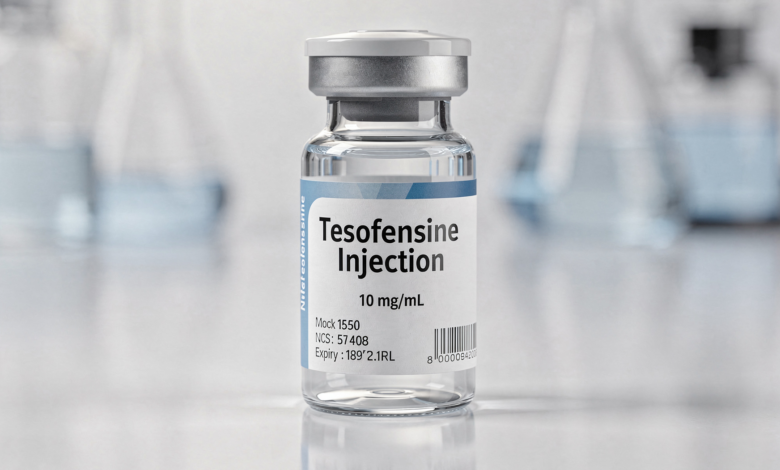
Tesofensine is an investigational medicine that has attracted attention because of its potential role in weight management. Researchers originally studied the compound in connection with neurological conditions, but changes in appetite and body weight observed during early research led scientists to investigate it as a possible treatment for obesity.
Unlike many newer weight-management medicines that work through hormonal pathways, tesofensine acts mainly on three neurotransmitters in the brain: norepinephrine, dopamine, and serotonin. By affecting the reuptake of these chemical messengers, researchers believe it may reduce appetite and food intake while also producing changes in energy expenditure.
However, there is an important distinction between promising clinical research and an established treatment. Tesofensine remains an investigational compound, and questions about long-term safety, cardiovascular effects, appropriate dosing, and regulatory approval remain important.
This guide explains how it works, what clinical studies have found, possible side effects, and why researchers continue to study it.
What Is Tesofensine?
Tesofensine is a centrally acting triple monoamine reuptake inhibitor. In simple terms, it affects the availability of three neurotransmitters:
- Norepinephrine
- Dopamine
- Serotonin
These neurotransmitters are involved in appetite, motivation, mood, reward, and other brain functions. By influencing their reuptake, the compound can alter signals involved in hunger and food consumption.
The compound was not initially developed specifically as an obesity medicine. Its potential for weight management became more interesting after researchers observed weight changes during earlier clinical investigations.
Why Researchers Became Interested
Obesity is influenced by many factors, including genetics, appetite regulation, metabolism, environment, sleep, medications, and lifestyle. Because of this complexity, researchers have explored medicines that influence different biological pathways.
Tesofensine attracted interest because early trials produced substantial reductions in body weight compared with placebo. At the same time, researchers observed effects on heart rate and other measures that require careful monitoring.
How Does It Work?
The mechanism is different from medicines that primarily target hormones such as GLP-1.
Tesofensine inhibits the presynaptic reuptake of norepinephrine, dopamine, and serotonin. This can increase signaling involving these neurotransmitters. Research suggests that the resulting effects may reduce hunger and increase feelings of fullness.
Appetite and Food Intake
One of the main reasons researchers are interested in the compound is its effect on appetite.
A reduction in hunger can make it easier for a person to consume fewer calories. Instead of relying entirely on conscious restriction, an appetite-modifying medicine may influence some of the biological signals that drive eating.
Energy Expenditure
Research has also suggested that the compound may have a smaller effect on energy expenditure. However, appetite suppression appears to be an important part of its potential weight-loss mechanism.
What Have Clinical Studies Found?
Some of the most frequently discussed evidence comes from a randomized, double-blind Phase II trial involving 203 people with obesity.
Participants received placebo or different doses of the investigational medicine while following an energy-restricted diet. After 24 weeks, the groups receiving the compound experienced greater average weight reduction than the placebo group.
The published results reported the following percentage changes in body weight:
| Treatment | Mean weight change after 24 weeks |
|---|---|
| Placebo | About 2.0% |
| 0.25 mg | About 4.5% |
| 0.5 mg | About 9.2% |
| 1.0 mg | About 10.6% |
These results were encouraging, but they should not be interpreted as proof that everyone taking the compound will experience the same amount of weight loss. Clinical trials have specific participant populations, study conditions, and follow-up periods.
The researchers themselves noted that the findings required confirmation in larger Phase III studies.
Potential Benefits Under Investigation
Research into tesofensine has focused primarily on obesity and related metabolic outcomes.
Weight Reduction
The strongest area of interest is body-weight reduction. Early clinical research demonstrated greater average weight loss than placebo over a 24-week period.
Appetite Control
Because the medicine influences neurotransmitters associated with appetite and reward, researchers have investigated whether it can reduce hunger and food consumption.
This could be particularly relevant for people who struggle with persistent appetite despite attempts to reduce calorie intake.
Metabolic Measures
Some research has also reported improvements in measures such as glucose regulation and lipid profiles alongside weight reduction. However, these findings need to be interpreted within the context of individual studies rather than treated as established therapeutic benefits.
Tesomet and Hypothalamic Obesity
Another important area of research involves Tesomet, a combination of tesofensine and the beta-blocker metoprolol.
Researchers have investigated this combination in people with hypothalamic obesity, a rare form of obesity associated with damage or dysfunction involving the hypothalamus.
A small randomized study included 21 adults. After 24 weeks, the Tesomet group had a greater average reduction in body weight than the placebo group. The study also evaluated safety measures such as heart rate and blood pressure.
An extended study followed participants for up to 48 weeks. Reported adverse events included sleep problems, dizziness, dry mouth, and headache, with most described as mild to moderate.
Because these studies were small, their results cannot automatically be generalized to the wider population.
Possible Side Effects
Any medicine that changes neurotransmitter activity can potentially produce side effects. Clinical studies have reported several adverse effects associated with tesofensine.
Reported effects have included:
- Dry mouth
- Nausea
- Constipation
- Diarrhea
- Hard stools
- Headache
- Insomnia or other sleep disturbances
- Dizziness
- Changes in heart rate
- Possible changes in blood pressure
In the 24-week obesity trial, heart rate increased by about 7.4 beats per minute in the 0.5 mg group compared with placebo.
This cardiovascular effect is one reason safety remains an important part of research into the compound.
Why Heart Rate Matters
Weight-management medicines that influence norepinephrine can potentially affect the cardiovascular system.
An increase in heart rate may not cause problems for every person, but it can be clinically important for individuals with certain cardiovascular conditions or other risk factors.
This is also why researchers have explored combining tesofensine with metoprolol in some research settings. Metoprolol is a beta-blocker that can reduce heart rate, and the combination has been studied in conditions such as hypothalamic obesity.
This does not mean people should combine the substances themselves. Experimental combinations should only be evaluated within appropriate medical research or under qualified medical supervision.
Is It Approved for Weight Loss?
Regulatory status is an important consideration.
Tesofensine has been studied in clinical trials as a potential obesity treatment, including a registered Phase III study evaluating 0.25 mg and 0.5 mg doses in adults with obesity. The registry describes the study as randomized and placebo-controlled, with body-weight change and treatment-related adverse events among its key outcomes.
The existence of clinical trials does not mean that a medicine has received approval for routine use.
People should therefore be cautious about websites or sellers presenting investigational compounds as established prescription treatments. A research compound should not automatically be considered equivalent to an approved medicine.
Who Should Be Especially Careful?
Because this compound affects the central nervous system and may influence cardiovascular measurements, people should not assume that it is suitable for them.
Extra caution is particularly important for anyone with:
- Cardiovascular disease
- High blood pressure
- A history of significant anxiety or mood-related problems
- Sleep problems
- Other conditions affected by stimulant-like medications
- Current use of medicines that affect serotonin, dopamine, or norepinephrine
The appropriate approach depends on the individual’s medical history, current medicines, and risk factors.
Tesofensine Compared With Modern Weight-Loss Medicines
The current obesity-treatment landscape includes several different drug classes. Some newer medicines work through incretin pathways, while tesofensine works primarily through neurotransmitter reuptake.
| Feature | Tesofensine | Incretin-based medicines |
|---|---|---|
| Main biological target | Norepinephrine, dopamine, serotonin | Hormonal pathways such as GLP-1 |
| Primary research interest | Appetite and weight reduction | Appetite, food intake, metabolic control |
| Administration studied | Oral | Many are injectable, depending on medicine |
| Development status | Investigational | Several products are approved for specific uses |
| Key research concern | Long-term efficacy and cardiovascular safety | Gastrointestinal effects and other medicine-specific risks |
This comparison does not establish that one approach is universally better. Different medicines have different mechanisms, evidence bases, indications, contraindications, and safety considerations.
Why More Research Is Needed
The early weight-loss findings are interesting, but several questions remain.
Long-Term Safety
A medicine intended for chronic weight management may need to be taken for an extended period. Shorter studies cannot fully establish long-term safety.
Cardiovascular Effects
Changes in heart rate and blood pressure deserve particular attention because obesity itself is associated with cardiovascular risk.
Broader Populations
Clinical trials often include specific groups of participants. Larger studies can provide more information about how different ages, medical backgrounds, and levels of obesity respond.
Sustainable Weight Management
Another important question is what happens after treatment stops. Weight management is generally a long-term challenge, so researchers need to understand whether benefits persist and what happens after discontinuation.
What Consumers Should Know
If you encounter tesofensine online, it is worth taking a cautious approach.
Avoid assuming that:
- A product advertised online has pharmaceutical-grade quality.
- A research compound has the same quality controls as an approved medicine.
- Results from a clinical trial guarantee the same results for an individual.
- A higher amount will produce better results.
- Combining compounds automatically improves safety or effectiveness.
Clinical research is very different from self-experimentation.
Anyone considering an investigational medicine should discuss the issue with a qualified healthcare professional who can consider their medical history and current medications.
Final Thoughts
Tesofensine has generated interest because early clinical research demonstrated meaningful reductions in body weight and suggested that its effects may be connected to appetite suppression and changes in central neurotransmitter signaling. Studies have also explored combinations such as Tesomet in people with hypothalamic obesity.
At the same time, promising trial results should be viewed alongside unanswered questions about long-term safety, cardiovascular effects, regulatory status, and appropriate patient selection. The available evidence is useful for understanding the compound, but it does not turn an investigational medicine into a universally appropriate weight-loss treatment.